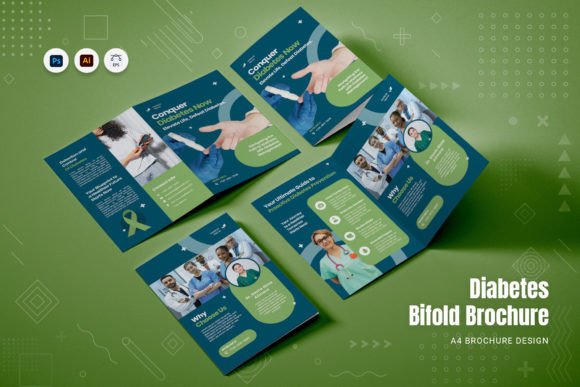
Mastering Patient Education with a Professional Diabetes Bifold Brochure
Effective communication is the cornerstone of successful diabetes management. For healthcare providers, educators, and wellness coaches, the challenge often lies not in knowing what to say, but in how to present complex medical information in a way that is accessible, engaging, and actionable for patients. This is where a well-designed Diabetes Bifold Brochure becomes an indispensable tool. It serves as a tangible bridge between clinical advice and daily patient life, transforming overwhelming medical jargon into clear, digestible steps for better health.
A bifold brochure is more than just folded paper; it is a strategic communication asset. When designed correctly, it respects the reader’s time while delivering high-value content. By utilizing a template specifically crafted for this purpose, professionals can ensure their materials are not only informative but also visually compelling, fostering trust and encouraging adherence to treatment plans.
The Challenge of Communicating Complex Health Information
Diabetes is a multifaceted condition that requires constant attention to diet, medication, physical activity, and monitoring. For newly diagnosed patients, the influx of information can be paralyzing. Traditional handouts often fail because they are text-heavy, visually unappealing, or lack a logical flow. Patients may leave a consultation feeling confused rather than empowered.
The primary goal of any educational material in this field is to reduce anxiety and increase clarity. However, creating such materials from scratch is time-consuming and requires design expertise that many medical professionals do not possess. This is where the utility of a pre-designed Diabetes Bifold Brochure template becomes evident. It allows creators to bypass the technical hurdles of layout design and focus entirely on the quality of the content and the needs of their audience.
Why a Bifold Format Works for Diabetes Education
The bifold format offers a unique balance between brevity and depth. Unlike a single-page flyer, which may feel too sparse, or a multi-page booklet, which can seem daunting, a bifold provides four distinct panels of space. This structure naturally guides the reader through a narrative arc: introduction, problem identification, solution presentation, and call to action.
For diabetes education, this structure is ideal. The front panel can feature a welcoming image and a reassuring headline. The inside spread can detail key lifestyle changes, such as carbohydrate counting or exercise routines, using bullet points and icons for easy scanning. The back panel can provide essential resources, emergency contacts, or next steps. A professional Diabetes Bifold Brochure leverages this spatial logic to maximize retention and understanding.
Customization and Ease of Use
One of the most significant advantages of using a modern template is its flexibility. Healthcare practices vary widely, and a one-size-fits-all approach rarely works. Whether you are a endocrinologist specializing in Type 1 diabetes, a nutritionist focusing on Type 2 prevention, or a community health worker organizing a screening event, your messaging must be tailored.
High-quality templates, such as those available in Adobe Illustrator (Ai) or InDesign (INDD), are fully layered and well-organized. This means you can easily modify elements without disrupting the overall design integrity. You can swap out stock images for photos of your own facility or staff, adjust color schemes to match your brand identity, and rewrite text to reflect your specific protocols. The use of free fonts ensures that the design remains consistent across different systems without requiring expensive software licenses.
Furthermore, these templates are print-ready. They come with bleed included, set to CMYK color mode at 300 DPI, ensuring that the final physical product looks crisp and professional. This attention to technical detail saves hours of pre-press troubleshooting, allowing you to focus on distribution and patient engagement.
Practical Applications for Different Users
The versatility of a Diabetes Bifold Brochure allows it to serve various stakeholders in the healthcare ecosystem differently.
- Clinical Practices: Doctors and nurses can use these brochures as take-home reminders after consultations. They reinforce verbal instructions regarding medication schedules or blood sugar monitoring techniques, reducing the likelihood of patient error.
- Nutritionists and Dietitians: Food is a central component of diabetes management. A bifold brochure can feature meal planning tips, portion control guides, and healthy recipe ideas. The visual nature of the format allows for the inclusion of food pyramids or plate models, which are easier to understand than textual descriptions.
- Pharmacies and Wellness Centers: These entities can use the brochure for marketing purposes, promoting screening services, wellness workshops, or specialized products. A clean, modern layout builds credibility and encourages customers to engage with additional services.
- Community Health Organizations: For public health campaigns, the brochure serves as an educational tool at fairs, schools, and community centers. It can raise awareness about risk factors and the importance of early detection in a non-threatening, approachable manner.
Design Considerations for Maximum Impact
To ensure your Diabetes Bifold Brochure achieves its intended outcome, consider the following design and content principles:
- Prioritize Readability: Use clear headings and short paragraphs. Avoid dense blocks of text. Utilize bullet points to break down complex instructions into manageable steps.
- Use Visual Hierarchy: Guide the reader’s eye through the content using size, color, and placement. Important information, such as warning signs of hypoglycemia, should stand out prominently.
- Incorporate Empathetic Imagery: Choose images that reflect diversity and positivity. Show people actively managing their health rather than appearing sick or distressed. This fosters a sense of hope and agency.
- Include Clear Calls to Action: Tell the reader exactly what to do next. Whether it is scheduling an appointment, visiting a website for more resources, or downloading a tracking app, the next step should be obvious and easy to follow.
Enhancing Credibility Through Professional Presentation
In the healthcare sector, perception matters. A poorly designed handout can inadvertently signal a lack of professionalism or care. Conversely, a sleek, well-organized Diabetes Bifold Brochure conveys competence and dedication. It shows that you have invested time and resources into your patients’ understanding and well-being.
Modern templates offer a clean and modern layout that aligns with contemporary design standards. This aesthetic appeal helps capture attention in a crowded information landscape. When patients receive a brochure that looks professional, they are more likely to read it, keep it, and share it with family members who may also benefit from the information.
Conclusion
Creating effective educational materials does not require a degree in graphic design. By leveraging a high-quality Diabetes Bifold Brochure template, healthcare professionals and marketers can produce impactful, professional-grade resources efficiently. These tools empower you to communicate clearly, build trust, and ultimately support better health outcomes for individuals living with diabetes. Whether used for clinical education, marketing, or community outreach, a well-crafted brochure remains a powerful ally in the fight against diabetes, turning complex medical advice into actionable, everyday wisdom.